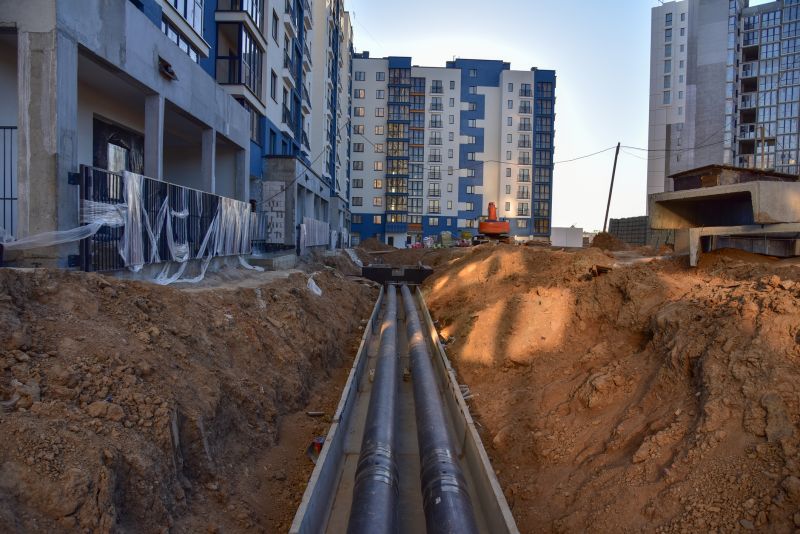
Trench Installation in Houston, TX
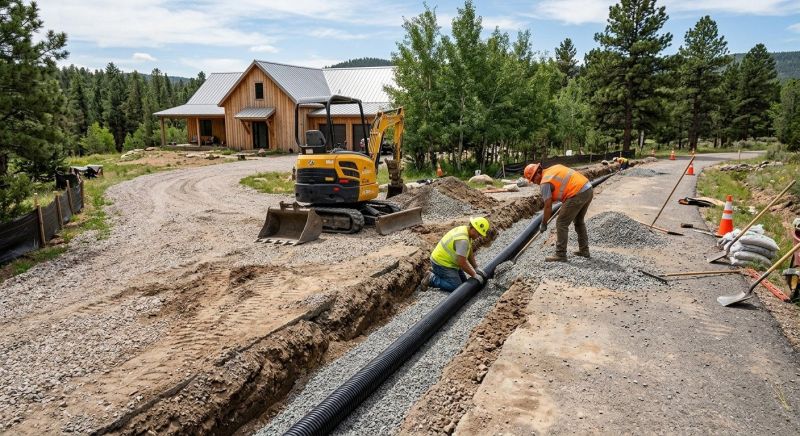
Trench installation services involve excavating narrow, deep channels into the ground to accommodate various types of underground infrastructure. This service is commonly used for installing utility lines such as water, gas, electrical cables, or drainage systems. Homeowners may request trenching for projects like expanding irrigation systems, installing new fencing, or upgrading existing utility connections. Before requesting trench installation, property owners should consider the location, depth requirements, and any potential impact on existing structures or landscaping to ensure the project aligns with local regulations and property needs.
Understanding the scope of trench installation helps homeowners plan effectively. It’s important to clarify the purpose of the trench, the desired dimensions, and any necessary permits or inspections. Property owners should also consider access points and the presence of underground obstacles like pipes or rocks that could influence the excavation process. Proper planning ensures the trenching project meets safety standards and functions effectively for its intended use.
Many property owners in Houston, TX look into Trench Installation for repairs, replacements, upgrades, and appearance-related improvements.
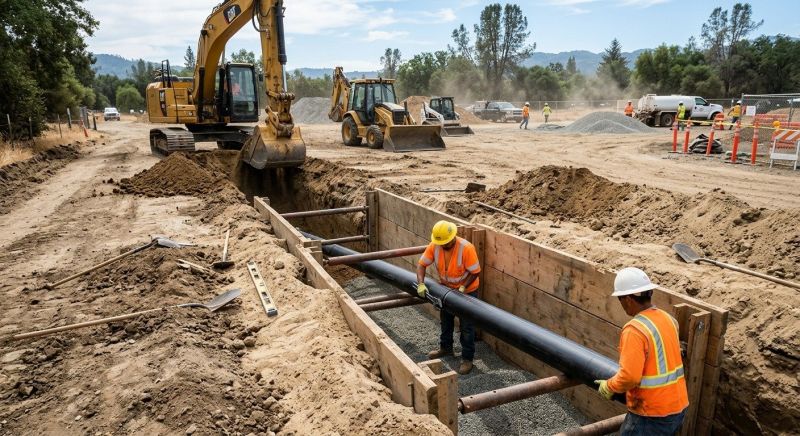
Trench Installation For Utilities
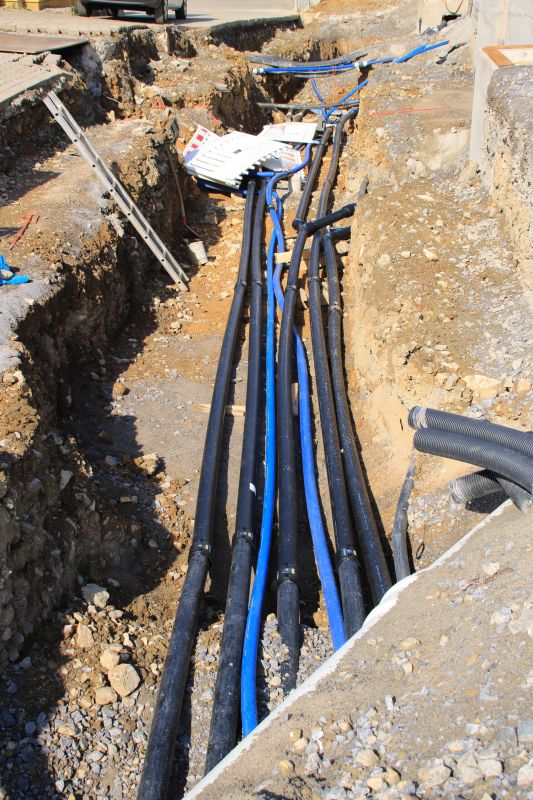
Proper trenches are essential for safe and reliable utility line placement on residential and commercial properties.
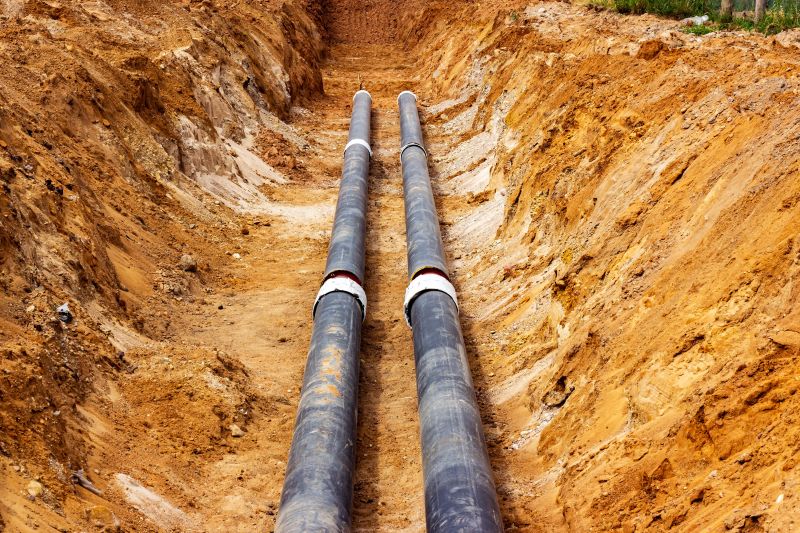
Foundation And Drainage Solutions
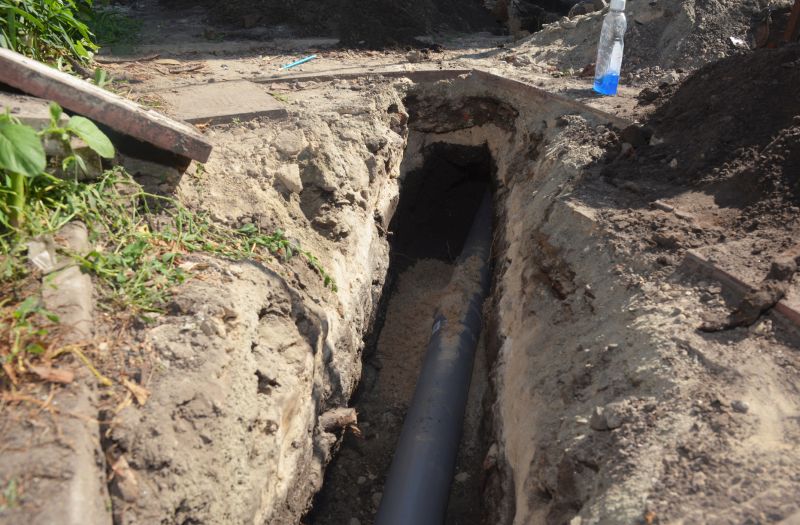
Trench work supports foundation drainage systems and helps prevent water issues around homes in houston.
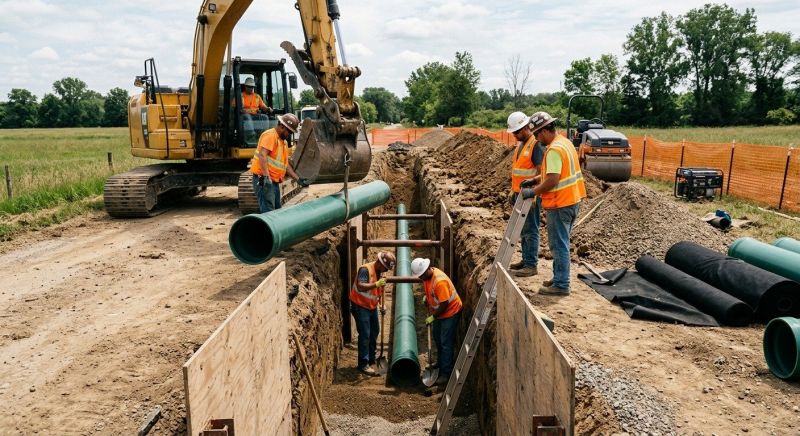
Landscaping And Irrigation Trenches
Custom trenches can accommodate irrigation systems and landscape features to enhance property functionality and aesthetics.
Trench Installation in Houston, TX

Trench installation services involve excavating narrow, deep channels into the ground to accommodate various types of underground infrastructure. This service is commonly used for installing utility lines such as water, gas, electrical cables, or drainage systems. Homeowners may request trenching for projects like expanding irrigation systems, installing new fencing, or upgrading existing utility connections. Before requesting trench installation, property owners should consider the location, depth requirements, and any potential impact on existing structures or landscaping to ensure the project aligns with local regulations and property needs.
Understanding the scope of trench installation helps homeowners plan effectively. It’s important to clarify the purpose of the trench, the desired dimensions, and any necessary permits or inspections. Property owners should also consider access points and the presence of underground obstacles like pipes or rocks that could influence the excavation process. Proper planning ensures the trenching project meets safety standards and functions effectively for its intended use.
Many property owners in Houston, TX look into Trench Installation for repairs, replacements, upgrades, and appearance-related improvements.
Common Trench Installation Jobs
Trench Installation - Provides a foundation for utility lines, drainage, or irrigation systems.
Drainage Trenching - Helps redirect water away from foundations and landscaping.
Utility Line Trenching - Facilitates the installation or repair of electrical, water, or gas lines.
Irrigation Trenching - Creates channels for sprinkler systems to ensure proper lawn watering.
Foundation Trenching - Prepares the area for foundation footings or retaining walls.
Landscape Trenching - Defines garden beds, pathways, or other landscape features.
Trench Installation Questions
What types of projects require trench installation? Trench installation is commonly used for underground utility lines, drainage systems, irrigation, and fencing foundations on residential and commercial properties.
What should property owners consider before trench installation? It's important to assess underground utilities, soil conditions, and the purpose of the trench to ensure proper planning and safety.
How deep are typical trenches for utility lines? Trenches for utility lines usually range from 18 to 36 inches deep, depending on local codes and the type of utility being installed.
What are common materials used in trench installation? Common materials include PVC or metal pipes for utilities, gravel or sand for bedding, and concrete or soil for backfilling.
Request Trench Installation in Houston, TX
Use the quote form on this page to share the basics of your project and request more information for the type of work you need.